Key Takeaways
- Thailand muay thai camp reviews – Reading these experiences helps you evaluate the training quality, instructor attention, and daily schedules of different gyms.
- Each review platform attracts a different crowd, so the same camp can hold very different scores depending on where you read about it.
- Reviews clarify whether a gym targets professional fighters, intermediate students, or complete beginners.
- Reviews that name a trainer, state how long the writer stayed, and admit something went wrong are worth far more than a high score with no detail.
Reading Thailand muay thai camp reviews is the most reliable way to find a gym that matches your specific fitness goals. These first-hand accounts help you filter through hundreds of active training facilities in hotspots like Phuket and Chiang Mai, and our Muay Thai Phuket review applies the same filters to camps on the island. For instance, student feedback quickly reveals if a gym prioritizes professional fighter prep or beginner fitness.
This guide covers how to read those reviews properly, which platforms deserve the most weight, and the warning signs that show up before you pay. That preparation prevents you from booking a gym whose reviews were written for a completely different kind of student.
Table of Contents
- Key Takeaways
- Why reading Thailand Muay Thai camp reviews can be confusing
- What to expect during your first week at a camp
- Red flags to watch out for in camp reviews
- Why watching live fights is the ultimate addition to your training
- Conclusion
Why reading Thailand Muay Thai camp reviews can be confusing
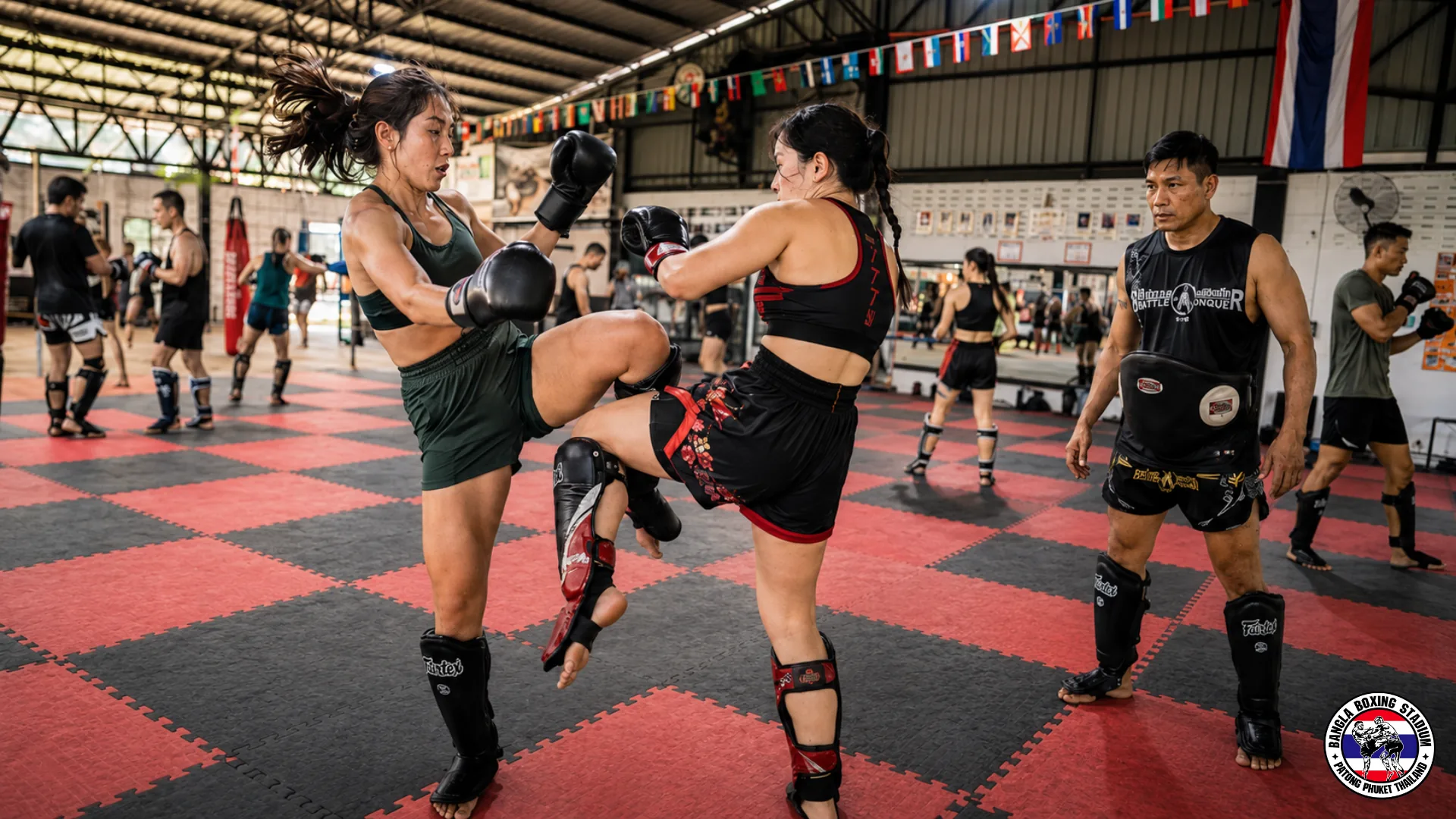
Reading Thailand muay thai camp reviews is often confusing because people rate the same gym based on completely different expectations. A professional fighter might give a gym a low rating for being too relaxed, while a fitness tourist might praise that same gym for its friendly atmosphere. This conflict in feedback makes it hard to gauge the actual quality of training without knowing if the reviewer trained for a professional fight or a casual holiday.
Furthermore, many online platforms suffer from biased feedback, including fake positive reviews written by marketing teams. Some camps even offer discounts to guests who leave a high rating before checking out of the resort. To find honest feedback, look for specific details about the student-to-trainer ratio, such as a 1-to-4 trainer ratio, rather than generic praise.
Different reviewers have totally different goals
Read Thailand Muay Thai camp reviews with caution because a casual fitness tourist and an active fighter judge facilities by completely different standards. A holidaymaker might leave a five-star review because the camp has a swimming pool and air-conditioned rooms. Meanwhile, a competitive athlete might rate the same gym poorly due to a lack of heavy sparring partners or experienced pad holders.
You must identify the reviewer’s training background to understand if their feedback matches your personal athletic goals. Look for specific clues in the text, such as whether the reviewer trained for two hours a day or prepared for an actual stadium bout. This distinction helps you filter out irrelevant complaints and find a training environment suited to your current fitness level.
Fake reviews versus real training experiences
Thailand muay thai camp reviews often contain biased or fabricated feedback that masks the actual training environment. You can identify these discrepancies by comparing specific markers of promotional content against genuine student feedback. We compiled the main differences to help you spot misleading reviews before booking your trip.
| Feature | Fake Reviews | Real Training Experiences |
|---|---|---|
| Trainer Focus | Claim personal attention is guaranteed for everyone | Note that trainers prioritize active fighters over beginners |
| Facility Quality | Describe pristine, luxury conditions without flaws | Mention worn gear, humid air, and shared training spaces |
| Photos | Use polished promotional shots and staged poses | Feature candid, sweaty workout pictures and video clips |
Promotional platforms frequently filter out negative comments to keep their ratings high. True feedback usually appears on independent forums or personal travel blogs where students share raw details about their daily struggles. For instance, authentic reviews often mention specific trainer names like Kru Ek or detail the exact cost of weekly motorbike rentals.
Which review platforms to weigh most heavily
Every platform pulls a different crowd, so the same camp can hold a very different score depending on where you read about it. Knowing who writes on each one tells you how much weight a rating deserves before you let it decide your booking.
- Google Maps collects the widest mix of walk-ins, day visitors, and long-term students, so volume is high but detail is thin. Use it to spot patterns rather than to judge training quality.
- TripAdvisor skews heavily toward holidaymakers rating the experience as an activity. Strong ratings here tell you the camp handles beginners well, not that it prepares fighters.
- Independent forums and personal blogs carry the longest and most specific write-ups, often from people who trained for a month or more. These are the most useful for judging coaching, and the hardest to fake.
- Video reviews show you the gym floor, the equipment, and the class sizes directly, which no written review can fully convey.
Read at least two platforms before you decide, and give the most weight to the reviews that name a trainer, state how long the writer stayed, and describe something that went wrong. A review that reads well but names nothing specific tells you very little, no matter how high the score attached to it.
What to expect during your first week at a camp
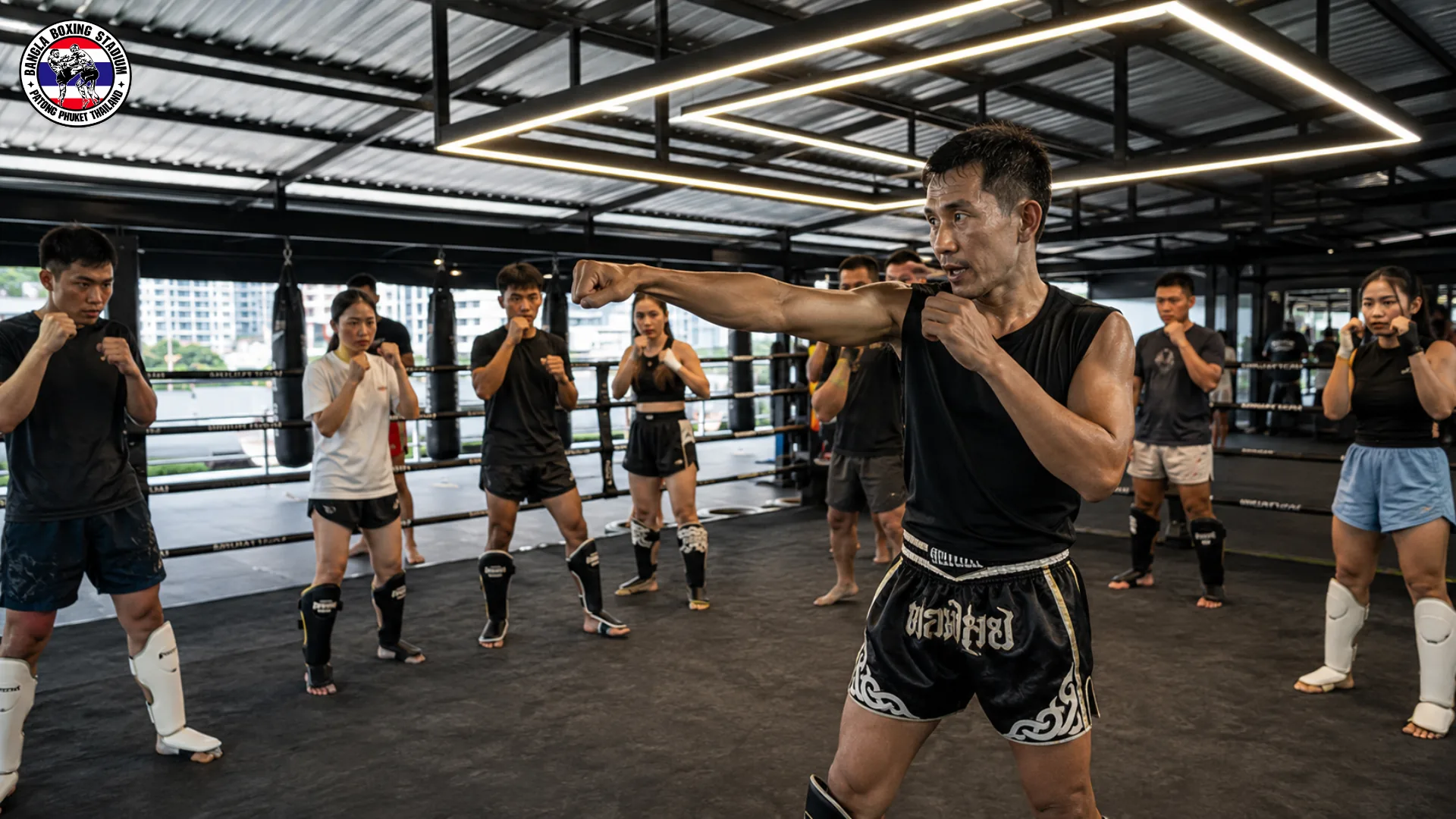
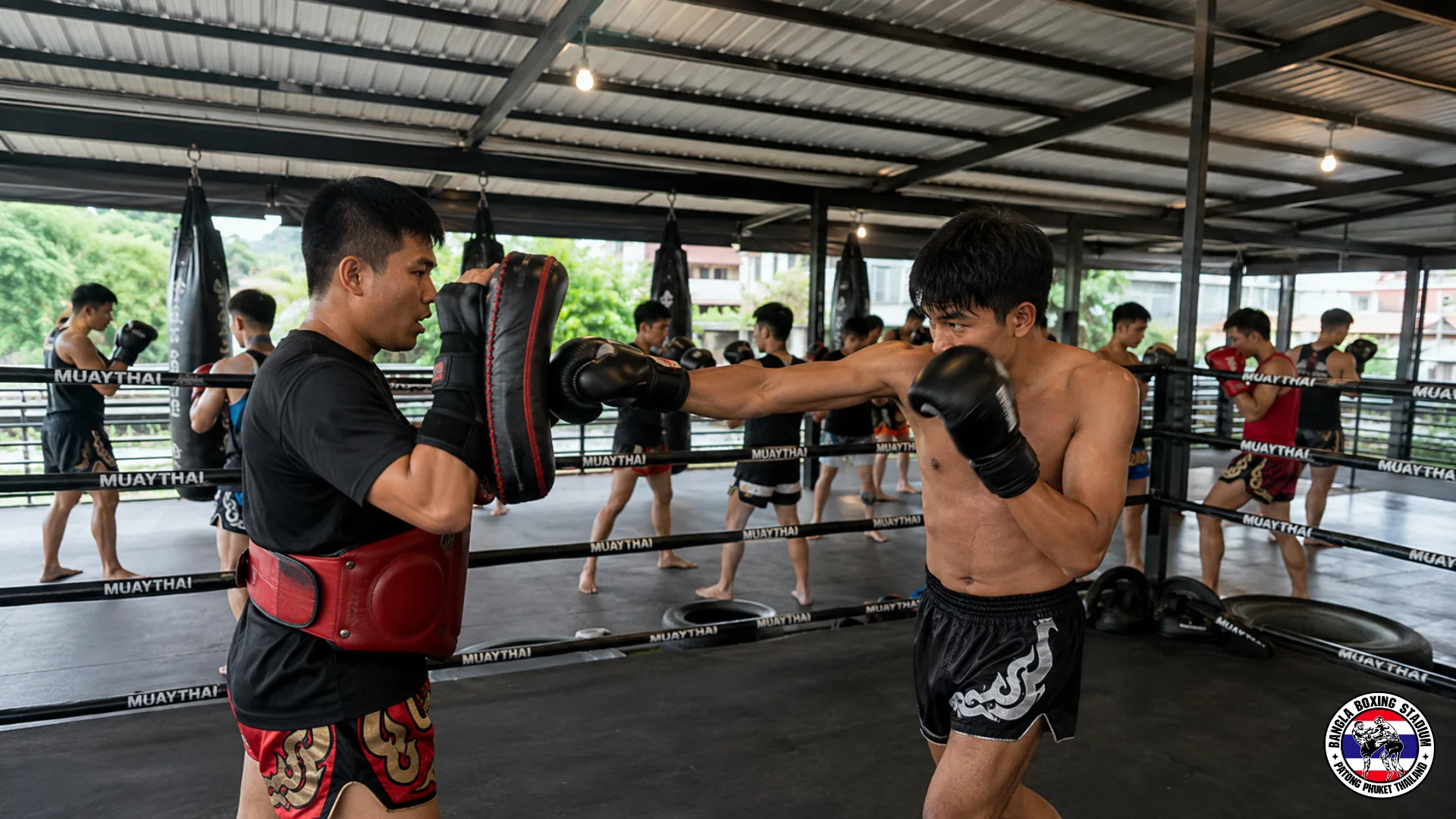
Your first week at a Thailand Muay Thai camp will challenge your physical limits through intense heat, muscle soreness, and a demanding twice-daily training schedule. Most camps run their first session at 8:00 AM and the second at 4:00 PM, with each session lasting up to two hours. To survive this initial adjustment period, you must drink at least four liters of water daily to prevent dehydration in the tropical climate.
Beyond the physical exertion, you will need to adapt quickly to communal living, local food options, and the physical toll on your skin. Expect to develop painful blisters on your bare feet from pivoting on canvas boxing rings during your first three days of training. Applying athletic tape to your feet and washing your gear immediately after every session will help you avoid common tropical skin infections like ringworm.
Daily training schedule and intensity
Most Thailand Muay Thai camps run two training sessions per day, typically starting at 8:00 AM and again at 4:00 PM. Each session lasts about two hours and includes running, skipping rope, shadowboxing, pad work with a trainer, bag work, and sparring or clinching. The morning session is usually cooler, while the afternoon heat tests your cardiovascular endurance to the absolute limit.
Read any reliable thailand muay thai camp reviews and you will see that the sheer intensity of training in tropical humidity catches most beginners off guard. Trainers expect you to push through fatigue, but they will allow you to pace yourself if you communicate your physical limits clearly. To prevent heat exhaustion, plan to drink at least three to four liters of water daily during your first week.
Red flags to watch out for in camp reviews
You must watch out for reviews that complain about one-on-one pad work neglect and extreme overcrowding during peak training seasons. Many generic reviews gloss over the fact that some gyms only focus on active stadium fighters while ignoring paying fitness tourists. Look specifically for recurring complaints about a trainer-to-student ratio worse than 1:6 during the afternoon sessions.
Another major warning sign in Thailand Muay Thai camp reviews is a sudden wave of identical five-star ratings that lack specific training details. Genuine feedback usually mentions the names of individual trainers, local noodle shops, or the exact condition of the rental gloves. If you notice dozens of brief reviews posted in the same week without these practical details, the gym may be artificially boosting its online score.
Overcrowded classes with no personal feedback
Overcrowded classes where trainers ignore you are the most common complaint in negative Thailand Muay Thai camp reviews. When a single trainer has to supervise more than ten students at once, you will not receive any direct feedback on your stance or kicking technique. This lack of attention leads to poor form and increases your risk of wrist or ankle sprains during pad work.
Look for specific reviewer feedback mentioning student-to-trainer ratios to ensure you get the quality instruction you are paying for. A reputable gym maintains a strict ratio of one trainer to four students during daily group sessions. If reviews consistently mention waiting in line for over 15 minutes just to hit pads, cross that camp off your list.
Neglectful trainers who only focus on active fighters
Many Thailand Muay Thai camp reviews highlight the common issue of trainers ignoring beginners to focus exclusively on active fighters preparing for upcoming stadium bouts. This neglect happens because active fighters bring prestige and ticket revenue to the gym. If you are a hobbyist, you might end up hitting a heavy bag for two hours without receiving a single technical correction. Look for reviews mentioning guaranteed 1-on-1 pad work of at least three rounds per session for every paying guest.
Reputable gyms actively balance their attention by assigning specific trainers to different experience levels. When reading thailand muay thai camp reviews, check if reviewers mention receiving personalized feedback on their stance and kicking technique. If multiple reviews complain that trainers spent the session scrolling on their phones, book a camp where reviewers consistently describe managed trainer-to-student ratios instead.
Why watching live fights is the ultimate addition to your training
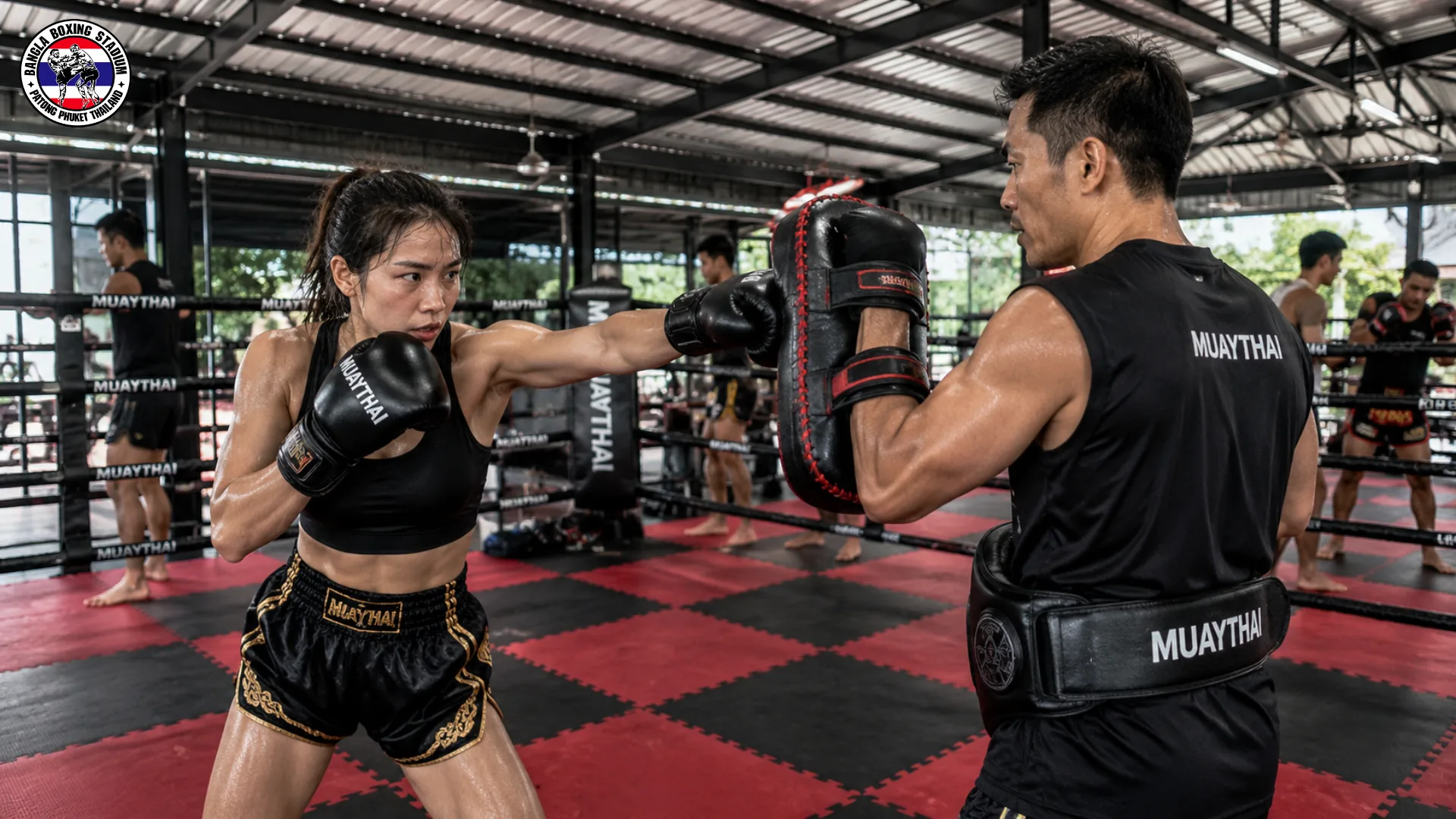
Watching live fights directly improves your training by showing you how professional fighters apply Muay Thai techniques under real ring pressure. You transition from practicing repetitive drills on pads to understanding the actual timing, distance, and setups required to land a clean strike. For example, observing how a stadium fighter sets up a left switch-kick helps you replicate the exact footwork during your next sparring session back at the gym.
Experiencing the live stadium atmosphere also teaches you to read the emotional pacing of a five-round fight. You learn how fighters manage their energy reserves and respond to the traditional Sarama music that dictates the tempo of each round. Planning a visit to a local venue such as Bangla Boxing Stadium in Phuket lets you study these pacing strategies up close on any night of the week.
Seeing professional techniques up close
Watching active fighters compete live reveals the precise timing, footwork, and hip rotation that you cannot easily duplicate in a standard training class. You observe how pros set up sweeps or slip punches under real pressure, which bridges the gap between drilling and sparring. Many travelers writing Thailand Muay Thai camp reviews state that watching stadium bouts helped them master the teep defense during their first week.
Sitting ringside allows you to hear the impact of kicks and see how fighters breathe to conserve energy during a five-round match. You can study the subtle hand traps and head positioning used in the clinch, which are often too fast to catch on a television screen. Focus your attention on the fighter’s rear foot during the third round to see how they adjust their balance when fatigued.
Experiencing the real stadium atmosphere at Bangla Boxing Stadium
You will experience the raw intensity of authentic Muay Thai by visiting Bangla Boxing Stadium in Phuket. The air fills with the sounds of traditional Sarama music and roaring crowds as local and international fighters compete. Many travelers post positive Thailand Muay Thai camp reviews after watching their own gym trainers and fighters compete under the stadium lights, and the venue runs a card every night of the week.
Sitting ringside allows you to hear the impact of every strike and observe the tactical adjustments made between rounds. This firsthand exposure helps you understand the scoring system and pacing of real five-round fights. Bangla Boxing Stadium tickets come in two seat tiers, with a stadium seat at 1,600 Baht and a ringside seat at 2,000 Baht.
Conclusion
You can find the right training environment by analyzing Thailand Muay Thai camp reviews with a clear focus on your personal fitness goals. Look specifically for feedback regarding trainer-to-student ratios and facilities to avoid overcrowded tourist traps. For example, a quality gym should maintain a ratio of at most one trainer to four students during group sessions.
Your final decision should balance honest student feedback with practical logistics, and our roundup of the best Muay Thai in Thailand covers how location and budget differ from region to region. Read reviews from platforms like Google Maps and specialized martial arts forums to verify the authenticity of the training programs. Booking a short three-day trial package first allows you to test the camp environment before committing to a monthly contract.
Recommended reading: Watch Muay Thai Phuket top spots for fight fans