
Phuket Muay Thai Guide to Authentic Thai Boxing Training
Key Takeaways
- Phuket Muay Thai – Chalong’s Soi Ta-iad is a leading Asian training hub, hosting elite gyms where you can spar alongside UFC athletes and former stadium champions.
- Programs range from beginner fundamental classes to professional fight camps, typically featuring twice-daily sessions that focus on technical clinching and pad work.
- Monthly training costs average 10,000 to 15,000 THB, with specialized infrastructure providing easy access to ice baths, Thai massage, and nutrition-focused cafes for recovery.
- Serious practitioners can use the Destination Thailand Visa (DTV) to live and train for up to five years while attending certified local gyms.
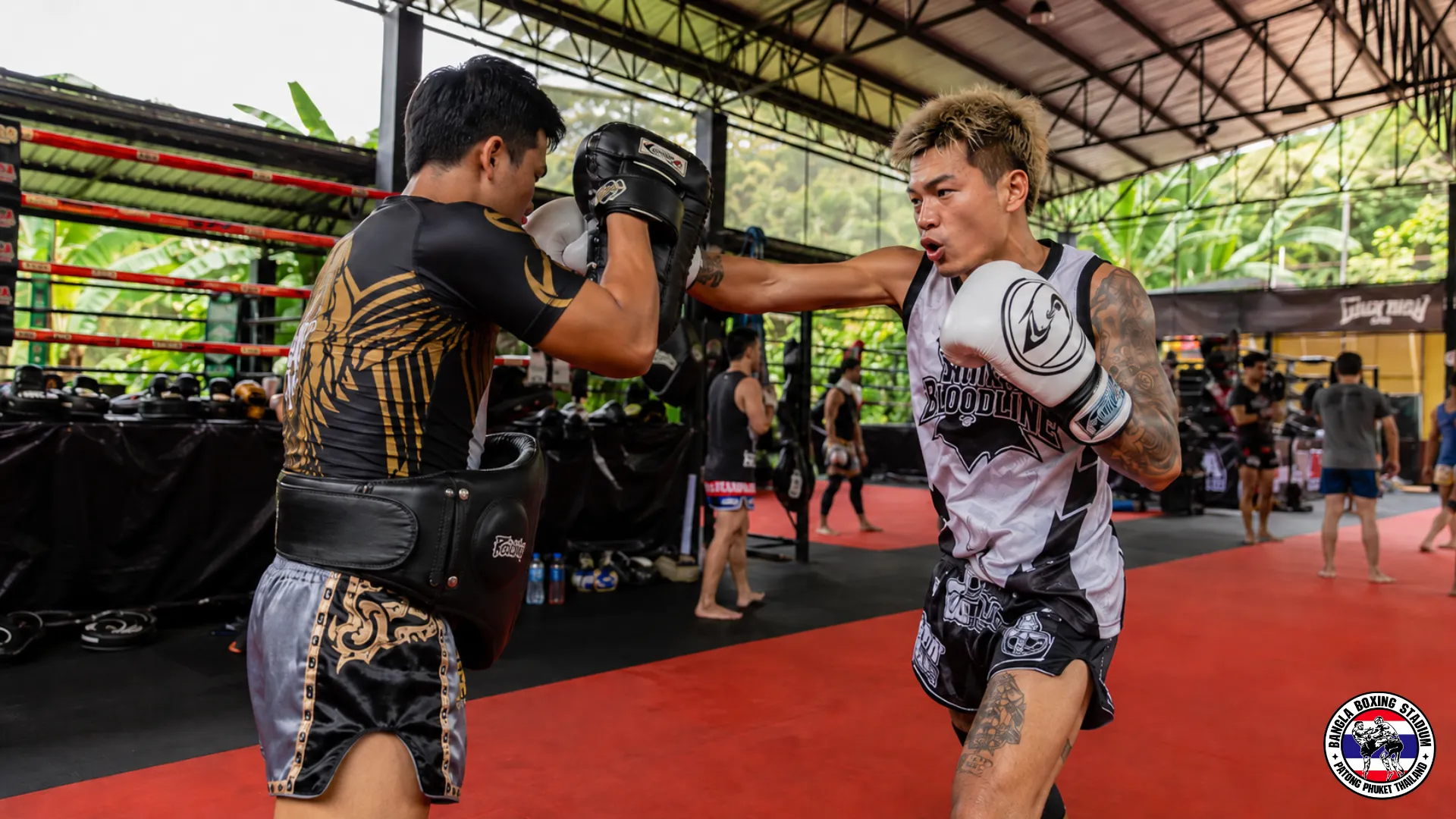
Phuket muay thai training is centered in Chalong’s Soi Ta-iad, a leading Asian training hub where you can spar alongside UFC athletes and stadium champions. You can choose from fundamental classes or professional fight camps that run twice daily. These sessions focus heavily on technical clinching and pad work with veteran trainers.
Monthly training costs average 10,000 to 15,000 THB, supported by recovery infrastructure like ice baths and nutrition cafes. Serious practitioners can use the Destination Thailand Visa (DTV) to live and train for up to five years. This visa is available through certified gyms like Tiger Muay Thai or Bangtao MMA. A shorter Thailand muay thai holiday is the better fit if you want training built around a two week trip instead of a long stay.
Table of Contents
Why Phuket Muay Thai is the Ultimate Hub for Thai Boxing in Thailand

Phuket muay thai training centers on Chalong’s Soi Ta-iad, a specialized 1.5-kilometer stretch where you spar alongside UFC athletes and stadium legends daily. Unlike traditional rural camps, these facilities integrate technical clinching and modern strength conditioning into rigorous twice-daily sessions. You learn directly from veteran trainers who bring decades of authentic ring experience.
| Training Feature | Standard Details |
|---|---|
| Monthly Tuition | 10,000 – 15,000 THB |
| Visa Eligibility | Destination Thailand Visa (DTV) |
| Infrastructure | Ice baths, massage, nutrition cafes |
| Top Facilities | Bangtao MMA, Tiger Muay Thai |
The island’s ecosystem supports professional recovery with ice baths, Thai massage clinics, and macro-counted meal plans located steps from the gym. Monthly training costs usually range from 10,000 to 15,000 THB, providing access to world-class coaching and high-end equipment. You can maintain this lifestyle long-term by applying for a DTV visa, which permits a five-year stay for those enrolled in certified Muay Thai programs.
The Perfect Mix of World Class Gyms and Island Lifestyle
Phuket muay thai training centers provide access to elite coaching and equipment that rivals professional fight camps in the West while maintaining a relaxed vacation atmosphere. You can transition from a high-intensity sparring session to a pristine beach like Nai Harn or Bang Tao in under 15 minutes. Many of the most respected gyms are situated along Soi Ta-iad in Chalong, a dedicated fitness street where world-class training meets convenient healthy living.
The island lifestyle supports your physical progress through specialized nutrition and recovery options located steps from the ring. You will find numerous cafes serving high-protein meals and fresh electrolytes right next to traditional Thai massage shops. Most visiting fighters use these local facilities to manage muscle soreness and maintain energy levels between two-a-day training sessions.
Training Culture From Beginners to Professional Fighters
Phuket muay thai gyms operate on a tiered system that allows absolute beginners to train in the same facility as world-class athletes while maintaining distinct technical tracks. You start in foundational classes focusing on basic footwork and striking mechanics before advancing to intermediate clinch work and live sparring. Professional fighters follow a separate, rigorous program that involves four to five hours of daily high-intensity training.
Trainers at these camps are typically retired champions with decades of professional ring experience who tailor their feedback to your specific skill level. Beginners usually attend two-hour sessions twice a day, while active competitors prioritize weight cutting and specific fight strategies. This inclusive environment ensures you learn authentic technique regardless of whether you intend to step into the ring or simply improve your fitness.
| Training Level | Focus Area | Typical Schedule |
|---|---|---|
| Beginner | Stance, basic strikes, and cardio | 2 sessions/day (90 mins each) |
| Intermediate | Clinching, light sparring, and combinations | 2 sessions/day (120 mins each) |
| Professional | Fight strategy, hard sparring, and 5km runs | 5–6 hours/day + morning runs |
Choosing Your Phuket Muay Thai Gym and What to Expect

Selecting your Phuket muay thai gym depends on whether you want a high-energy social hub like Soi Ta-iad or a quiet, technique-focused camp in Rawai. Chalong serves as the island’s primary training artery, housing “super-camps” with specialized strength zones and recovery cafes. If you prefer more one-on-one time with a kru, smaller gyms in Thalang often maintain a tighter student-to-trainer ratio.
You can expect a standard training day to consist of morning and afternoon sessions, usually beginning with a road run. Most facilities offer weekly rates around 3,000 THB, covering group classes but typically excluding gear like 10oz gloves. Beginners will spend their first week drilling the “basic eight” strikes—punches, kicks, knees, and elbows—alongside pro fighters prepping for real stadium bouts.
| Gym Style | Primary Location | Target Audience | Weekly Cost (Avg) |
|---|---|---|---|
| Super-Camp | Chalong (Soi Ta-iad) | Social travelers & pro athletes | 3,500 – 5,000 THB |
| Traditional | Rawai / Kathu | Long-term students & purists | 2,500 – 3,500 THB |
| Boutique | Bang Tao / Thalang | Fitness tourists & luxury seekers | 5,000+ THB |
Commercial Fitness Camps vs. Traditional Family Gyms
Commercial camps provide a high-energy “one-stop-shop” experience featuring modern amenities like air-conditioned weight rooms and on-site recovery centers. These facilities cater to travelers seeking a social hub for phuket muay thai that also offers CrossFit or yoga under one roof. You pay a premium for convenience and a large community, often training in sizeable group classes.
Traditional family gyms offer a focused, technical environment for those wanting to experience authentic Thai boxing in Thailand, where the relationship with your kru takes center stage. These open-air camps prioritize authentic Thai culture and old-school drilling without the distraction of luxury facilities. You can expect a lower student-to-trainer ratio, ensuring your footwork and clinch technique receive constant correction. Traveller accounts in our Muay Thai Phuket review compare how each type of camp handles newcomers.
| Feature | Commercial Fitness Camps | Traditional Family Gyms |
|---|---|---|
| Vibe | High-energy, social, multi-sport | Technical, grit-focused, cultural |
| Facilities | On-site cafes, AC gyms, ice baths | Open-air rings, basic weight kits |
| Class Size | Large groups (20–40+) | Small groups (5–12) |
| Focus | General fitness and weight loss | Fight technique and ring craft |
Typical Daily Schedule, Essential Gear, and Recovery
A standard training day for phuket muay thai follows a split schedule beginning with a morning road run between 7:00 and 8:00 AM to build aerobic capacity. Afternoon sessions typically start between 3:30 and 4:00 PM, focusing on heavy bag work, technical sparring, and high-intensity clinch drills. Most camps operate six days a week, leaving Sundays for total rest.
You need specific equipment to train safely and maintain hygiene in the humid tropical climate. While gyms rent gear, owning your own prevents skin infections and ensures a proper fit.
- 10oz to 16oz gloves for bag work and sparring
- 180-inch hand wraps to protect small bones in the hand
- Muay Thai shorts for unrestricted leg movement
- Shin guards and a mouthguard for contact sessions
Phuket’s heat makes recovery as vital as the training itself to avoid overtraining. Many facilities offer ice baths and infrared saunas to help manage muscle soreness. Incorporating a daily Thai massage for roughly 300 THB helps maintain flexibility and releases tension after four hours of daily impact.
Phuket Muay Thai Costs and Long Term Stay Planning
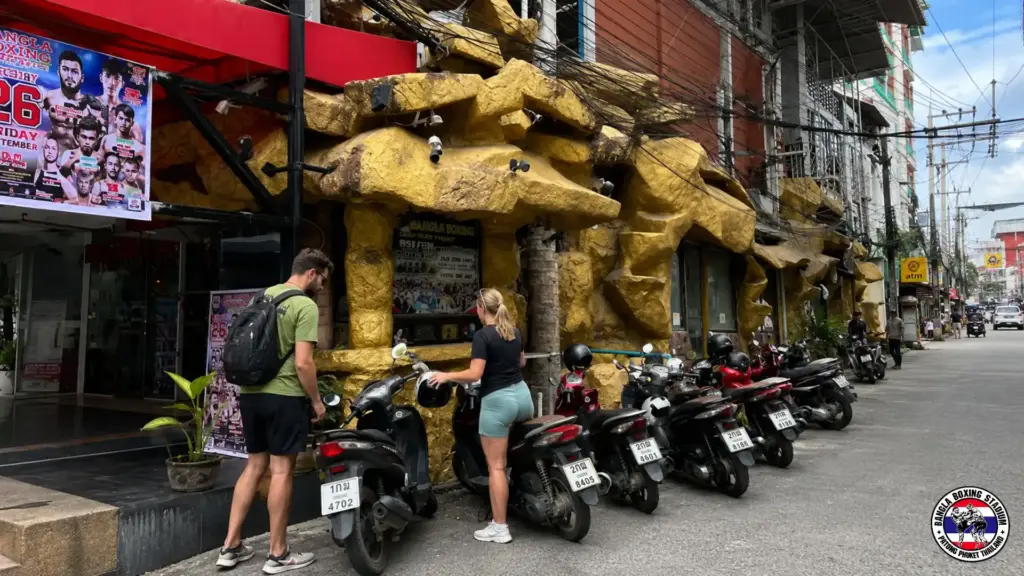
Budgeting for phuket muay thai requires a total monthly spend of 35,000 to 50,000 THB to cover professional training, local accommodation, and high-protein nutrition. A monthly training pass at a reputable camp typically costs between 10,000 and 15,000 THB. Opting for a guesthouse a ten-minute motorbike ride away from the main fitness strips can save you up to 5,000 THB on your monthly rental costs.
Securing an Education (ED) Visa is the most reliable method for staying in the country for six to twelve months of dedicated training. Most accredited gyms coordinate the application for a fee of roughly 30,000 THB, which covers the mandatory school enrollment and processing. For your living space, a standard studio with air conditioning and reliable Wi-Fi averages 12,000 THB per month in the Chalong or Rawai districts.
Breakdown of Training Packages and Hidden Costs
A standard monthly pass for phuket muay thai training typically costs between 10,000 and 15,000 THB, covering two group sessions daily. Most camps offer discounted rates if you commit to three months or longer upfront. This fee usually excludes gear, private sessions, and specialized strength and conditioning classes.
| Package Type | Avg. Cost (THB) | Key Details |
|---|---|---|
| Single Drop-in | 300 – 600 | Best for casual visitors |
| Weekly Pass | 2,500 – 4,500 | Unlimited group sessions for 6 days |
| Monthly Pass | 10,000 – 15,000 | Full access; most popular for athletes |
| Private Lesson | 800 – 1,500 | Per hour for technical correction |
Budgeting only for training is a mistake; you must factor in roughly 3,000 THB monthly for professional gear cleaning and laundry. Renting a scooter costs about 4,000 THB per month and is necessary for reaching affordable guesthouses away from the main tourist strips. Daily hydration and electrolyte supplements add another 2,500 THB to your expected monthly overhead. If you are comparing island prices with other regions, see our roundup of the best Muay Thai in Thailand.
The DTV Visa and Best Times of Year to Visit
The Destination Thailand Visa (DTV) is the most flexible option for phuket muay thai athletes, offering five years of multiple-entry access for a flat fee of 10,000 THB. You must provide proof of 500,000 THB in savings and an official enrollment letter from a certified gym to qualify. Each entry allows a 180-day stay, which can be extended once per visit for an additional 1,900 THB.
Timing your arrival dictates your training intensity and your total monthly expenditure. High season offers dry weather but commands peak prices, whereas the low season significantly reduces accommodation costs near the Chalong fitness strips. Professional fighters often choose the shoulder months to avoid the extreme humidity spikes of April and May. Our guide to Thailand training holidays covers how to plan the trip around the seasons.
| Season | Months | Training Conditions | Cost & Crowds |
|---|---|---|---|
| High | Nov – Feb | Dry and cool; best for cardio | Peak pricing; very busy mats |
| Shoulder | Mar – May | Intense heat; high humidity | Moderate rates; manageable crowds |
| Low | Jun – Oct | Frequent rain; cooler air | Lowest prices; more 1-on-1 time |
Complete Your Journey: Live Fights at Local Stadiums
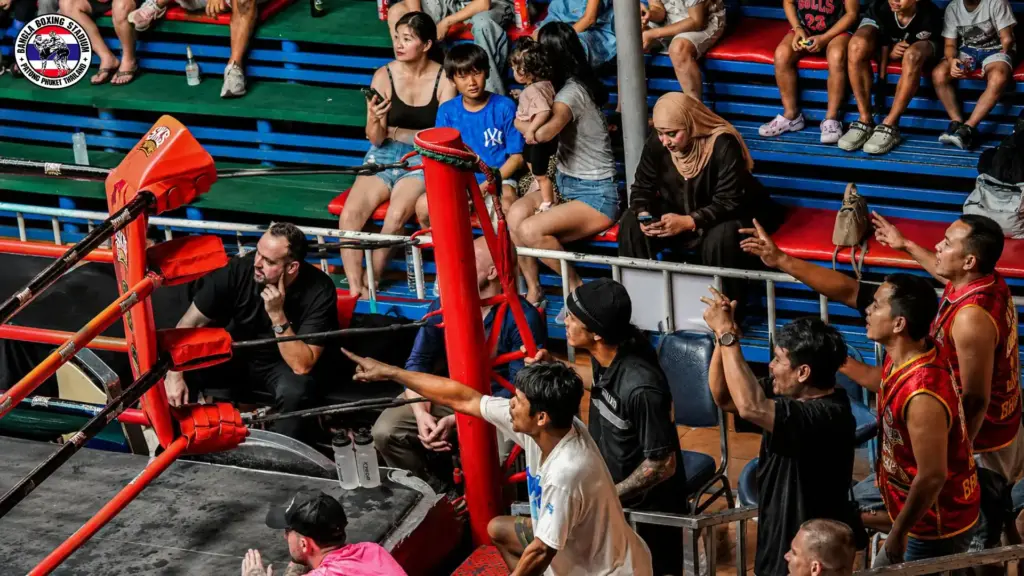
Major local venues, such as Bangla Boxing Stadium, serve as the ultimate classroom where you witness the practical application of phuket muay thai techniques in a high-stakes environment. Located in Patong, these venues host bouts between international contenders and local stadium champions every week. Observing how elite fighters manage their distance and timing provides a tactical perspective that you cannot replicate during a standard training session.
Events typically begin at 21:00 and feature a full card of up to eight professional matches. Ringside seats offer the clearest view of technical clinching and the rapid-fire elbow strikes characteristic of top-tier Thai athletes. We recommend arriving at the stadium 30 minutes early to secure your spot and observe the Wai Kru rituals that precede every fight. Our Bangla Stadium Patong guide covers the venue layout and seating tiers.
| Ticket Category | Cost (THB) | Best For |
|---|---|---|
| Stadium Seat | 1,500 – 1,600 | Bangla / Patong Stadium grandstand; elevated panoramic view |
| Ringside | 1,800 – 2,000 | Direct proximity to the ring at eye-level with the canvas |
| VIP (southern venues) | 2,200 – 2,500 | Available at Sinbi or Rawai (includes one complimentary beer at southern venues) |
Why Watching Professional Matches Enhances Your Training
Watching professional bouts at local stadiums clarifies how phuket muay thai techniques function under genuine pressure. You observe how elite athletes conserve energy during the early rounds before accelerating their pace during the critical scoring rounds. This visual data helps you internalize the specific rhythm and timing that separates stadium-grade fighters from hobbyists.
- Distance Management: See how fighters use the long jab and teep to control the range against shorter, aggressive punchers.
- Clinch Transitions: Watch the subtle weight shifts and hand positioning used to off-balance an opponent during active grappling.
- Real-time Defense: Observe how professionals check kicks instinctively while simultaneously preparing a high-scoring counter-attack.
Analyzing a live fight reveals the “setups” behind strikes, such as using a feinted low kick to land a lead elbow. Paying attention to the cornermen provides insight into how fighters adjust their strategy mid-bout to exploit a rival’s stance. These observations allow you to visualize and execute complex combinations more effectively during your next 1-on-1 sparring session. Our guide on where to watch Muay Thai in Phuket covers arrival timing and stadium etiquette.
How to Secure Authentic Fight Night Tickets
Purchase phuket muay thai tickets directly from the stadium box office or via the official venue website to avoid inflated commissions from unauthorized street resellers. Booking at least 24 hours in advance is necessary if you want to secure specific ringside seats or VIP (southern venues)s. Most major stadiums in Patong open their ticket booths during business hours and accept walk-in purchases on fight nights.
- Official Box Offices: Visit Patong Boxing Stadium or Bangla Boxing Stadium in person to pay the standard rate without middleman fees.
- Authorized Gyms: Buy through reputable training camps on Soi Ta-iad, which may offer their own group transport for students attending fight nights.
- Verified Online Portals: Use the stadium’s primary website to receive a digital QR code, allowing you to bypass the main ticket queue.
Avoid purchasing from individuals selling “discounted” vouchers on the street, as these frequently lead to seating disputes or unverified matches. Ensure your physical ticket or digital confirmation clearly states the category and seat number to prevent being moved to the back rows. Most Phuket stadiums accept THB cash and credit cards, though carrying cash ensures a faster transaction during the pre-fight rush. You can also book Muay Thai tickets online in advance at a lower rate than the gate price.
Conclusion
Phuket muay thai training provides a world-class ecosystem that pairs elite stadium-level coaching with professional recovery infrastructure in Chalong and Rawai. You can access top-tier facilities for 10,000 to 15,000 THB per month, which includes twice-daily sessions focusing on technical clinching and bag work. This specialized environment allows you to train alongside professional athletes while utilizing on-site ice baths and nutrition-focused cafes to maximize your physical progress.
| Training Factor | Standard Details |
|---|---|
| Monthly Tuition | 10,000 – 15,000 THB |
| Visa Eligibility | Destination Thailand Visa (DTV) |
| Primary Hub | Chalong (Soi Ta-iad) |
Serious practitioners can utilize the Destination Thailand Visa (DTV) to secure five-year residency through certified camps. This long-term access allows you to progress from beginner fundamentals to advanced fight camps, offering the most comprehensive experience of Thai boxing in Thailand while living in the island’s dedicated fitness hubs. Understanding the financial aspects, such as booking extended training passes to reduce monthly tuition, will help you fully embrace this transformative experience.
Recommended reading: Phuket Muay Thai fights and what a full card includes
Bangla Boxing Stadium
Bangla Boxing Stadium is a professional Muay Thai venue in the heart of Patong, Phuket, founded on 22 April 2004. For more than 20 years we have hosted nightly professional fight cards, welcoming fans and visitors from around the world. Our editorial team shares first-hand guides to watching Muay Thai, booking tickets, and experiencing the sport in Phuket.