Key Takeaways
- Best muay thai in thailand – Finding the top camp depends on your goals, with Bangkok focusing on professional stadium fighting and Phuket or Chiang Mai catering to fitness and technical styles.
- Select facilities that employ retired stadium champions who provide direct, one-on-one feedback during daily pad sessions.
- Quality camps maintain low student-to-trainer ratios to ensure personalized technical instruction.
- Authentic training requires a rigorous twice-daily schedule featuring roadwork, heavy bag drills, and live clinching.
You find the best muay thai in Thailand by matching your goals to regional gym specialties. Bangkok camps focus on professional stadium fighting, while Phuket and Chiang Mai cater to fitness. For instance, Fairtex and Tiger Muay Thai provide distinct environments for different skill levels.
Select camps with low student-to-trainer ratios for personalized feedback. Drop-in sessions cost 300 to 600 THB, while unlimited monthly packages average 12,000 THB. These fees grant you direct access to training sessions run by retired stadium champions. Bundled muay thai holiday packages cover training, accommodation, and meals in one price if you prefer not to book each part separately.
Table of Contents
- Key Takeaways
- How to Choose the Best Place to Train Muay Thai in Thailand
- Best Places to Train Muay Thai in Thailand by Region
- What to Expect from the Best Muay Thai Training Camps?
- Watching Live Fights and Experiencing Martial Arts Thailand
- FAQ
- Conclusion
How to Choose the Best Place to Train Muay Thai in Thailand
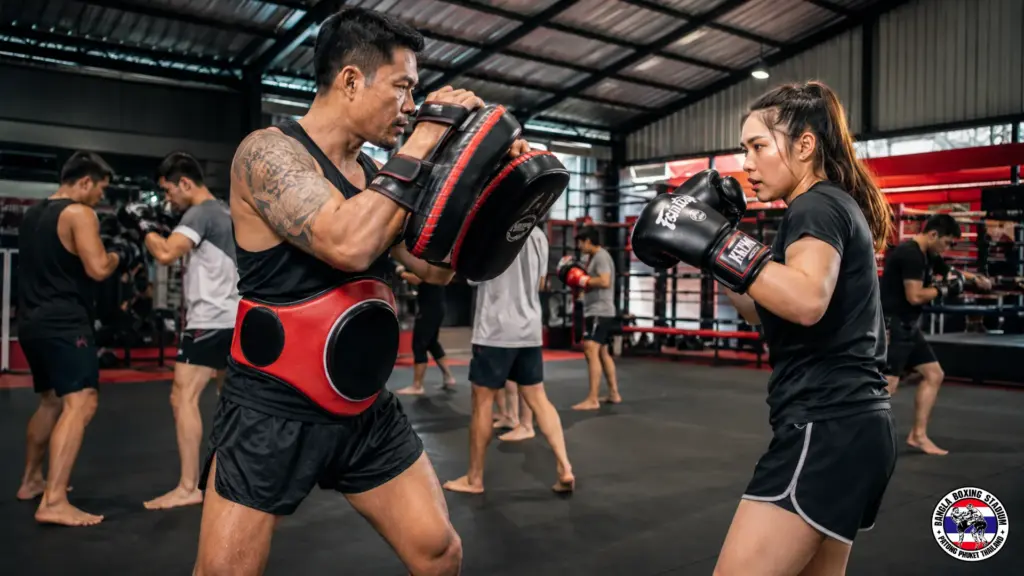
To find the best Muay Thai in Thailand, you must align your training goals with a gym’s specific atmosphere and the regional lifestyle that suits your recovery needs. Professional fighters should target “fight-focused” gyms in Bangkok where clinching and high-intensity sparring with active stadium champions are the daily standard. If you prioritize lifestyle and modern amenities, the camps in Phuket provide easier access to beaches and westernized nutrition plans that aid in recovery.
Verify the trainer-to-student ratio to ensure you receive technical feedback rather than just hitting heavy bags in a crowded room. Top-tier camps keep their group classes small enough to give you several rounds of individual pad work per session. Always research the head trainer’s credentials, specifically looking for retired fighters with long stadium records and championship titles.
Training for Fitness vs. Professional Fighting
You choose between fitness and professional training based on whether your goal is cardiovascular health or competing in a sanctioned ring. Fitness-focused students prioritize technique and calorie burn through pad work and bag drills without the physical toll of hard sparring. The best muay thai in thailand gyms offer separate tracks to ensure hobbyists don’t face the 10-kilometer morning runs required of active fighters.
| Feature | Fitness Training | Professional Fighting |
|---|---|---|
| Daily Training | 1–2 hours | 4–6 hours |
| Contact Level | Minimal to light | Full contact & hard sparring |
| Primary Goal | Weight loss & health | Ring victory & rank |
Professional paths demand six hours of daily training and specialized neck strengthening to endure the rigors of the clinch. You will typically burn roughly 800 calories in a fitness session, while fighters maintain a strict caloric deficit to hit specific weight classes. We see most enthusiasts reach their peak physical condition by following a high-intensity fitness curriculum before ever considering the professional fighter’s lifestyle.
Important Features to Look for in a Gym
Prioritize gyms that offer small class sizes and structured “fundamentals” classes to ensure you learn correct form without getting lost in a crowd. The best Muay Thai in Thailand for beginners balances authentic intensity with patient instruction on basic footwork and striking mechanics. Choose a facility that separates novices from professional fighters during pad work sessions to prevent injury and intimidation.
- Dedicated beginner syllabus covering stance, jabs, and roundhouse kicks.
- Clean, well-maintained mats and 16oz training gloves for safety.
- English-speaking instructors who can explain the technical “why” behind movements.
- On-site amenities like ice baths or recovery zones to manage muscle soreness.
Check the gym’s hygiene standards because skin infections can immediately derail your progress in tropical climates. High-quality camps mop their mats with medical-grade disinfectant at least twice every day and maintain open-air layouts for maximum ventilation. Most top-tier beginner gyms in regions like Phuket provide equipment rental packages and specific orientation sessions for new arrivals every Monday morning. A Muay Thai Phuket review written by past students helps you confirm these standards before you commit to a package.
Best Places to Train Muay Thai in Thailand by Region
The best Muay Thai in Thailand depends on whether you prioritize the high-pressure environment of Bangkok’s stadium camps, the fitness-focused resorts in the South, or the technical gyms in the North. Bangkok remains the global epicenter for professional fighters, housing legendary gyms like PK.Saenchai where training focuses on grueling clinch work. Expect to pay around 600 THB for a single session in the capital.
Southern Thailand, specifically Phuket and Koh Samui, caters to those wanting world-class facilities paired with beach proximity. You will find highly structured programs on Phuket’s “Soi Ta-iad” that accommodate everyone from beginners to professional UFC strikers. These camps often feature modern strength equipment that supplements traditional two-a-day training schedules.
Northern Thailand is the preferred destination if you want your budget to stretch while focusing on technical precision. Chiang Mai gyms often specialize in the “Muay Femur” style, which prioritizes timing and counter-striking over raw power. Monthly training and basic housing packages in this region frequently start at 12,000 THB.
| Region | Primary Training Focus | Avg. Monthly Training Cost | Best For |
|---|---|---|---|
| Bangkok | Professional Stadium Fighting | Varies by gym | Aspiring Pros |
| Phuket | MMA Striking & Fitness | 6,000 – 15,000 THB | Martial Arts Tourists |
| Chiang Mai | Technical & Traditional | Around 12,000 THB | Long-term Budget Stays |
Top Muay Thai Training Camps in Phuket
Phuket’s Soi Ta-iad in Chalong serves as the primary hub for the best muay thai in thailand, headlined by the massive Tiger Muay Thai facility. Tiger runs more than 150 sessions every week across 20+ class types with a large roster of experienced trainers. This area allows you to walk between world-class gyms, health cafes, and recovery centers within minutes. Our guide to Muay Thai in Phuket compares these camps by skill level, location, and training style.
- Tiger Muay Thai: Known for its sheer scale and integration of strength and conditioning programs.
- Bangtao Muay Thai & MMA: A modern multi-discipline facility (Muay Thai, MMA, BJJ, wrestling) just a five-minute walk from the beach.
- Sinbi Muay Thai: A traditional powerhouse in Rawai, founded by champion Khun Sing in 2007 and known for technical pad work.
- Phuket Top Team: Specializes in professional fighter preparation with a heavy emphasis on clinching and MMA crossover.
You should select a camp based on your specific goals, as Bangtao offers a luxury resort feel while Sinbi provides a more traditional setting. Most gyms provide weekly training packages for approximately 2,500 to 4,500 THB, excluding accommodation. These camps frequently produce athletes who compete at the highest levels in Lumpinee and Rajadamnern stadiums. Reading Thailand muay thai camp reviews before you commit shows what the daily sessions and accommodation are actually like.
Authentic Muay Thai Schools in Bangkok & Central Thailand
Bangkok serves as the global heart for the best Muay Thai in Thailand, housing world-class gyms like FA Group, Petchyindee Academy, and Khongsittha. These facilities prioritize technical clinching and traditional conditioning over generic fitness routines. Most professional camps in the capital require two rigorous training sessions daily, typically starting at 6:00 AM and 3:30 PM.
- FA Group: Famous for elite-level clinching and relentless knee techniques.
- Petchyindee Academy: A high-tech facility known for producing multiple stadium champions.
- Sitsongpeenong: A world-renowned camp specializing in power-hitting and international kickboxing styles.
- Khongsittha: A modern school in Bangkok that balances traditional training with accessible facilities for all levels.
Central gyms focus heavily on stadium-ready fighters, making them ideal if you want to compete at Rajadamnern or Lumpinee. Expect to pay between 400 and 600 THB for a single drop-in session at these high-level urban camps. Authentic programs in this region build dedicated 1-on-1 pad work into every training session.
The Best Place to Learn Muay Thai in Thailand in the North
Chiang Mai is the premier destination for the best Muay Thai in northern Thailand due to its elite technical instruction and affordable living. Trainers here emphasize the Muay Femur style, prioritizing precision and footwork over raw power. This technical focus makes the North ideal for practitioners wanting to improve their ring IQ.
Santai Muay Thai is highly regarded for its technical curriculum led by former stadium fighters. Sit Thaharnaek also provides high-level coaching from stadium veterans located minutes from the Chiang Mai Old City. Monthly training packages at these elite camps generally cost around 12,000 THB.
The lower cost of living in the North allows you to train longer and dedicate more time to clinching. Northern gyms maintain a small student-to-teacher ratio for personalized corrections on your kicking mechanics. Choosing a northern camp typically stretches your budget further than training in the southern tourist hubs.
What to Expect from the Best Muay Thai Training Camps?
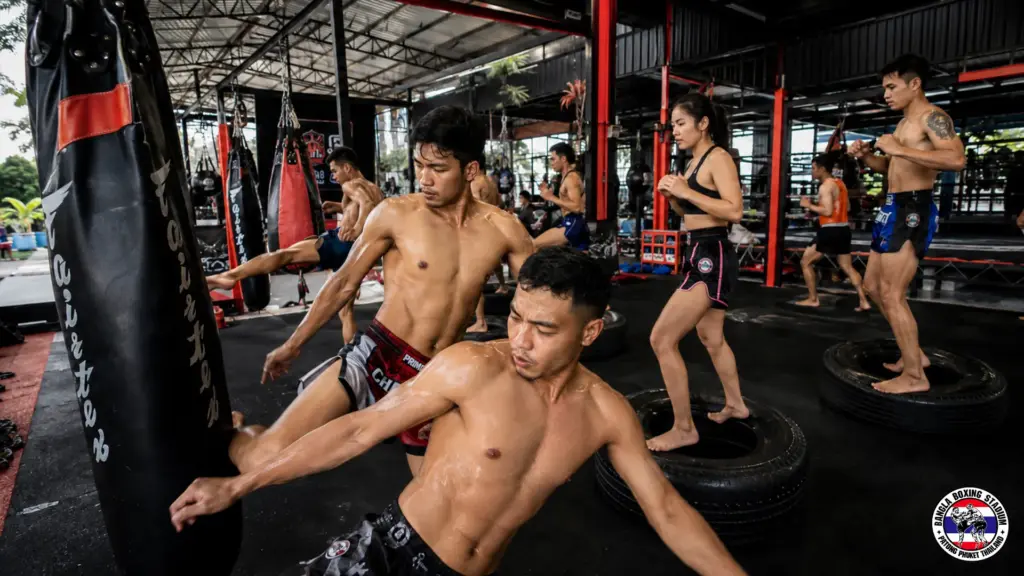
You can expect the best muay thai in thailand to deliver twice-daily training sessions led by retired stadium champions. A standard day begins with a 6:30 AM road run followed by intensive clinching and sparring. These camps keep classes small enough for you to receive immediate feedback on your technique.
You will train using traditional methods combined with modern recovery tools like ice baths. Most reputable gyms provide structured programs where you burn up to 1,200 calories per afternoon session. Many facilities offer onsite housing and meal plans designed for recovery alongside fighters from Lumpinee Stadium.
Typical Daily Schedule & Training Intensity
A standard pro-level schedule involves two training sessions daily, typically totaling four to six hours of high-intensity physical activity. Morning sessions usually begin at 6:30 AM with a 5km to 10km run to build cardiovascular endurance. Following the run, you will engage in shadowboxing, heavy bag work, and three to five rounds of one-on-one pad work with a trainer.
The afternoon session focuses on technical application and usually starts around 4:00 PM after the midday heat subsides. This block prioritizes sparring and clinching, where you apply techniques against live resistance for 30 to 45 minutes. Most camps conclude the day with core conditioning, requiring 100 to 300 sit-ups before cooling down.
| Time | Activity | Focus |
|---|---|---|
| 06:30 – 09:30 | Morning Session | Roadwork, Pad Work, Bag Drills |
| 10:00 – 15:30 | Rest & Recovery | Nutrition and Sleep |
| 16:00 – 18:30 | Afternoon Session | Sparring, Clinching, Calisthenics |
Average Costs, Accommodation & Long-Stay Visas
Training for the best muay thai in thailand typically costs between 6,000 and 15,000 THB per month for gym access alone. If you choose an all-inclusive package including on-site housing and two daily meals, your monthly budget can range from roughly 19,000 THB at family-run camps up to 70,000 THB at premium all-inclusive resorts. Prices vary significantly by region, with camps in Phuket or Samui commanding a premium over more traditional gyms in Isaan. If you are budgeting a whole trip rather than gym fees alone, our guide to Thailand training holidays covers flights, accommodation, and rest days.
| Service Type | Estimated Cost (Monthly) | Notes |
|---|---|---|
| Training Only | 6,000 – 15,000 THB | Two sessions per day |
| All-Inclusive | 19,000 – 70,000 THB | Includes room and board |
| DTV (long stay) | Show 500,000 THB in savings | Up to 180 days per entry |
Most long-term students now use the Destination Thailand Visa (DTV), which allows stays of up to 180 days per entry across five years when you enroll with a certified gym. You must show proof of at least 500,000 THB in savings and obtain an official invitation letter from a gym approved by the Sports Authority of Thailand. Our Phuket Muay Thai training guide walks through the DTV requirements for camps on the island.
Watching Live Fights and Experiencing Martial Arts Thailand
Some of the best muay thai in Thailand is on display in Bangkok’s historic rings, while nightly fight cards in Phuket put the sport within easy reach of travelers. These venues host elite fighters who spent years perfecting their craft in regional camps before reaching the national stage. A typical stadium fight night features a full card of bouts, from rising prospects to top-ranked contenders.
Modern spectators often prefer the high-production value of “ONE Championship” events, which use smaller 4-ounce gloves to increase the knockout rate. You should secure ringside seats to truly appreciate the impact of leg kicks and the intricate clinch work that defines the sport. Start times vary by venue, so check the official schedule before you plan your night. If this is your first fight night, our guide on where to watch Muay Thai in Phuket covers seating, timing, and what happens between bouts.
Southern hubs like Phuket provide high-energy Phuket Muay Thai fights that cater to international fans and active practitioners at venues like Bangla Boxing Stadium, which hosts fight cards every night of the week. These regional fights offer a raw look at the grit required to climb the professional rankings. At Bangla Boxing Stadium, Muay Thai tickets for the Ringside tier cost 1,900 THB online (2,000 at the gate) for a full evening of professional action.
Why You Should Visit Bangla Boxing Stadium
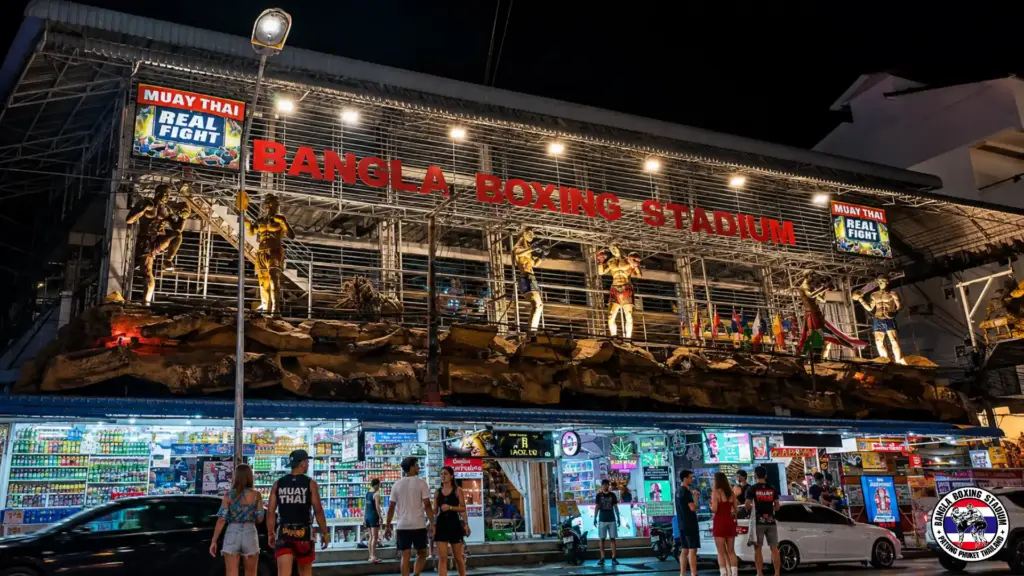
You should visit Bangla Stadium in Patong because it provides an authentic, high-stakes environment featuring some of the best muay thai in thailand. Unlike choreographed exhibitions found in some tourist hubs, this venue hosts genuine professional bouts between ranked local fighters and international prospects from elite Phuket camps. You will witness the full spectrum of the sport, including traditional pre-fight rituals and five-round matches sanctioned by professional officials.
- The tiered stadium seating ensures you have a clear line of sight for every strike, even from the most affordable sections.
- Live Sarama bands play throughout the night, increasing the music’s tempo to match the rising intensity of the fighters in the ring.
- Many cards feature rising stars from Phuket’s world-class training camps testing themselves against international opposition.
FAQ
Do I need to be fit before starting?
You do not need to be in peak physical condition to start training at the best muay thai in thailand, because the sport itself serves as your conditioning program. Most reputable camps in regions like Phuket or Samui design their foundational classes to build your cardiovascular endurance from the ground up. You will typically start with two-minute rounds of light rope skipping and basic stance work before moving to heavy bag drills.
Trainers at professional gyms expect international students to struggle with the intense tropical humidity during their first few days. A standard ninety-minute session can help you burn between 600 and 800 calories while rapidly improving your functional strength. You will likely see significant improvements in your recovery time after just ten consecutive days of morning and afternoon training sessions.
What gear should I bring from home?
Pack your own hand wraps and a custom-fitted mouthguard to ensure hygiene and a proper fit during intensive training sessions. While equipment is readily available at the best muay thai in thailand camps, bringing your own broken-in 16oz gloves prevents blisters and hand fatigue. Most professional-grade gloves in local shops retail for approximately 2,800 Thai Baht.
- Two pairs of hand wraps (180-inch length) so one set can dry while you use the other.
- A high-quality boil-and-bite mouthguard already molded to your teeth.
- Breathable compression shorts to prevent skin chafing during high-repetition kicking drills.
- Your preferred shin guards if you require a specific size like XL, which can be harder to find in stock.
Leave heavy items like Thai pads at home since gyms provide these for all students at no extra cost. Focus on bringing enough moisture-wicking athletic wear to handle two training sessions per day in 90% humidity. You can skip packing bulky bottles of liniment oil as local pharmacies sell them for less than $3 USD.
When is the best time of year to train?
You will find the best muay thai in thailand from November to February when cooler temperatures average 26°C to 30°C. This dry window allows you to complete two daily training sessions without immediate exhaustion. Gyms run at peak capacity now, offering access to dozens of active sparring partners.
Choosing the rainy season from June to October is better for tight budgets. Many camps offer discounted rates during these wet months. You also get more direct pad work with trainers because class sizes shrink noticeably.
| Season | Months | Weather Conditions | Training Impact |
|---|---|---|---|
| Cool | Nov – Feb | 26°C–30°C; Dry | Peak performance, high gym energy, more sparring partners |
| Hot | Mar – May | 35°C+; Very Humid | Rapid fatigue, focuses on extreme heat-acclimatization |
| Rainy | Jun – Oct | 28°C–32°C; Frequent rain | High humidity, lower costs, more one-on-one trainer time |
Conclusion
Finding the best Muay Thai in Thailand requires matching your specific skill level with a gym’s primary training focus. Professional competitors often find the highest standard of technical coaching at Bangkok-based gyms like Petchyindee, while beginners often thrive in the all-inclusive camp environments found in Phuket or Koh Samui.
You should prioritize facilities that maintain a low student-to-Kru ratio to ensure you receive at least three to five rounds of private pad work during every session. Many top-tier gyms now provide full-service packages including air-conditioned accommodation and standardized meal plans to simplify your logistics.
Check the current fighter roster to see if the gym actively produces champions for major stadiums like Rajadamnern or Lumpinee. Always verify if the facility offers on-site recovery tools like ice baths or sports massage to help you manage the physical toll of twice-daily training sessions.
Recommended reading: Phuket Thai boxing guide to the best fight nights