Key Takeaways
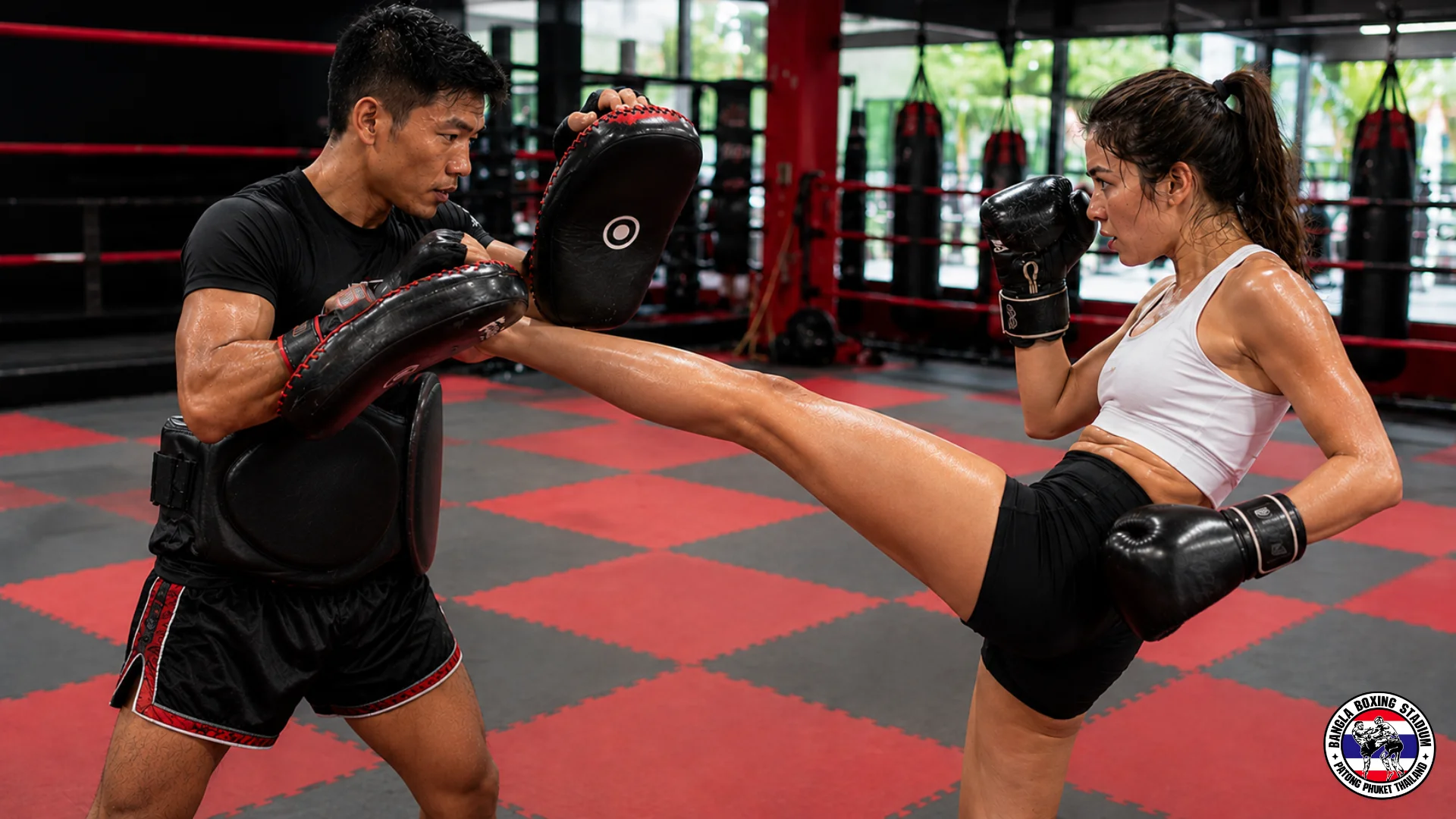
- Thailand training holidays – Combining professional-grade Muay Thai, strength coaching, and yoga with a tropical recovery environment helps athletes of all levels break through physical plateaus.
- High-density fitness hubs like Phuket’s Soi Ta-Iad offer comprehensive packages that bundle elite coaching, on-site accommodation, and structured meal plans.
- These programs offer exceptional value, granting access to champion-level trainers and world-class facilities at a fraction of Western price points.
- Active recovery is integrated into the daily routine through traditional Thai massage, ice baths, and mineral-rich local food to optimize muscle repair.
You can fast-track your fitness goals by booking a Thailand training holiday, which combines intensive daily coaching with tropical recovery. These structured getaways typically offer twice-daily sessions in Muay Thai, functional fitness, or yoga. For example, camps in Phuket’s Chalong area host over 150 weekly classes ranging from beginner drills to professional fighter conditioning.
Most packages bundle accommodation, tailored meals, and unlimited gym access into a single price. This setup eliminates daily logistics so you can focus entirely on your physical progression. For instance, a standard 8-day package often includes airport transfers and a body composition analysis to track your progress. A breakdown of what muay thai holiday packages include at each price level helps you compare before you book.
Table of Contents
- Key Takeaways
- What Are Thailand Training Holidays?
- Why Choose Thailand for Your Fitness Retreat?
- Who Can Join Thailand Training Holidays?
- Best Destinations for Thailand Training Holidays
- What to Expect During a Typical Training Day?
- How to Plan a Budget for Thailand Training Holidays
- Watching Real Stadium Fights to Complete Your Trip
- How to Prepare for Your Tropical Fitness Holiday
- Conclusion
What Are Thailand Training Holidays?
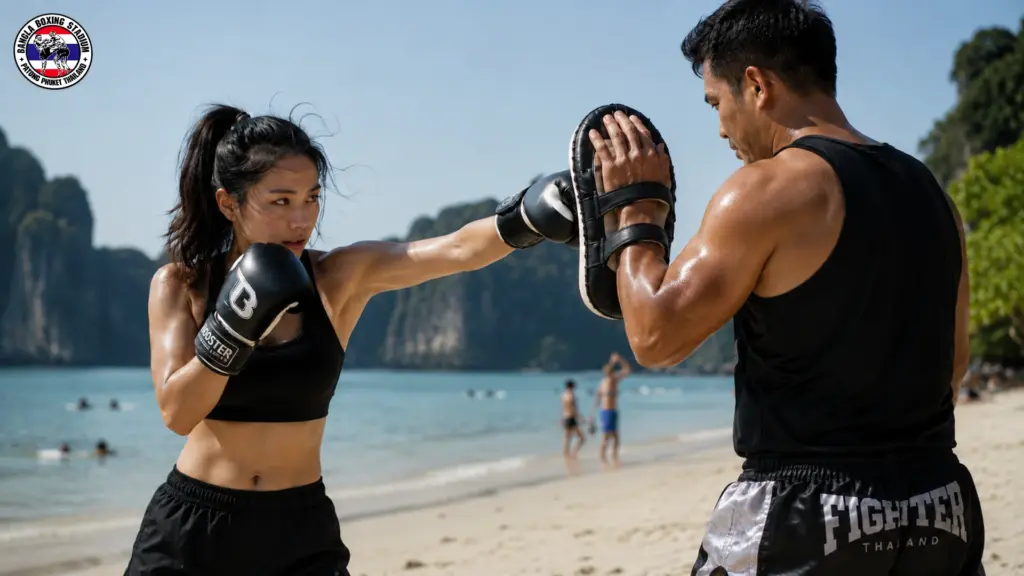
Thailand training holidays are structured fitness travel packages that combine intensive physical conditioning with a tropical vacation. You spend your days training in world-class facilities and your evenings recovering on the beach or exploring local culture. Most packages last between 7 to 30 days and include on-site accommodation, healthy meal plans, and daily coaching sessions. Planning a Thailand muay thai holiday also means picking a region and matching your visa to the length of your stay.
These retreats cater to all fitness levels, offering specialized tracks in Muay Thai, functional fitness, weight loss, or yoga. Camps design these programs so you can escape daily distractions and focus entirely on your physical health under the guidance of professional coaches. For example, many camps in Phuket offer three daily training blocks alongside ice baths and sports massages to optimize your recovery.
The perfect mix of martial arts, fitness, and travel
Thailand training holidays deliver the ultimate active getaway by pairing world-class Muay Thai coaching with tropical relaxation. You can spend your mornings learning authentic striking techniques from former stadium champions and your afternoons recovering on white-sand beaches. Camp locations like Phuket’s Soi Ta-Ied feature over a dozen specialized gyms within a single walkable mile.
This combination of structured, twice-daily training and island exploration prevents the typical burnout associated with strict fitness regimes. Between sessions, you can fuel your recovery with fresh, nutrient-dense Thai cuisine and traditional massage therapy that costs less than $10 per hour. Many travelers see real fat-loss progress while still exploring local night markets and temple ruins in Chiang Mai.
Why Choose Thailand for Your Fitness Retreat?
Thailand offers an unmatched combination of world-class coaching, affordable luxury, and optimal recovery environments that make Thailand training holidays the most cost-effective way to achieve rapid physical transformations. You get access to elite trainers, Olympic-grade facilities, and nutritious local meals for a fraction of the price you would pay in Europe or North America. For example, a full week of unlimited Muay Thai, strength conditioning, and yoga sessions in Phuket typically costs less than $250 USD, which is cheaper than a weekend pass at most high-end Western gyms.
Beyond the budget, the tropical climate and natural surroundings actively accelerate your body’s healing process. Training in heat improves cardiovascular efficiency and blood flow, while ocean swims and professional Thai massages target muscle soreness. Retreats along Soi Ta-Iad in Chalong now integrate on-site ice baths and saunas to reduce recovery times between twice-daily training sessions.
World class trainers and authentic Muay Thai training camps
Thailand training holidays deliver direct access to former stadium champions who teach authentic, unmodified Muay Thai. You will train under elite Krus (masters) with long professional fight records and decades of ring experience. For example, camps like Tiger Muay Thai in Phuket or Santai Muay Thai in Chiang Mai employ trainers who actively customize pad work to match your specific fitness level and striking technique.
These authentic camps reject watered-down fitness kickboxing in favor of genuine traditional conditioning, clinch work, and defensive sparring. Daily routines mimic the schedules of professional fighters, featuring twice-daily sessions that begin with a 4-kilometer run to build cardiovascular endurance. This immersion ensures you master real combat mechanics, like the proper hip rotation for a devastating roundhouse kick, while training alongside active stadium competitors.
Tropical beaches, recovery, and cultural experiences
Thailand training holidays balance intense physical workouts with active recovery on world-class beaches like Nai Harn or Bang Tao. You can transition from a grueling morning Muay Thai session directly to ice baths and sports massages at local recovery clinics. For example, many athletes spend their afternoons at Soi Ta-iad in Phuket, where cold plunge pools and herbal saunas are standard post-training rituals.
Rest days offer deep cultural immersion that aids mental decompression. You can explore historic temples like Wat Chalong or participate in traditional almsgiving to local monks at dawn. We recommend scheduling a temple visit on your rest day so the cultural break doubles as recovery time.
Who Can Join Thailand Training Holidays?
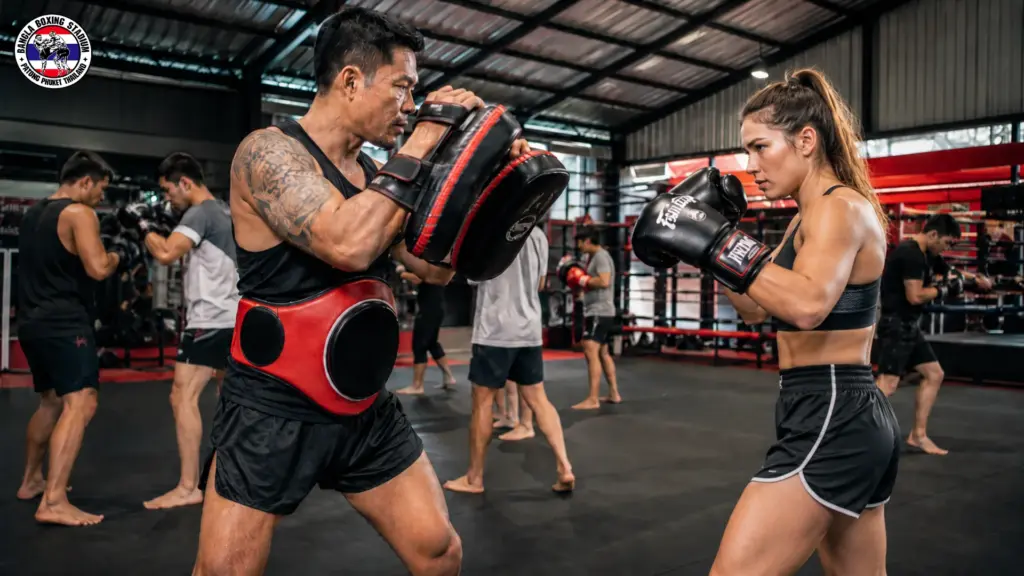
Thailand training holidays accommodate all fitness levels, meaning you do not need prior experience in Muay Thai, yoga, or weight training to participate. Most camps in Phuket and Chiang Mai design their programs with tiered progression tracks, running separate sessions for newcomers and seasoned fighters. For example, a typical camp like Tiger Muay Thai runs daily classes split specifically into beginner, intermediate, and advanced groups to ensure safe instruction.
Solo travelers, couples, and groups of friends of almost any age can sign up for these structured fitness retreats. Participants range widely in age, and many resorts offer specialized family packages and low-impact tracks for older adults. You only need a basic level of medical clearance from your doctor before joining high-intensity sessions like beach soft-sand runs or outdoor cross-training.
Programs for complete beginners with zero experience
You can join Thailand training holidays even if you have never kicked a pad or lifted a weight in your life. Reputable camps in Phuket and Chiang Mai design specific tracks for absolute newcomers to prevent injury and build foundational fitness. For example, the beginner Muay Thai classes at Tiger Muay Thai keep group sizes manageable to ensure hands-on coaching.
- Zero-contact classes that teach basic stance, footwork, and straight punches without any sparring.
- One-on-one pad work with trainers who adjust their striking speed to your fitness level.
- Recovery sessions including guided beach yoga to reduce muscle soreness.
We recommend starting with a one-week package to let your body adjust to the tropical humidity. This introductory period lets you test your limits without risking heat exhaustion or early burnout. For instance, several Koh Samui camps offer entry-level weekly packages that include shared air-conditioned rooms.
Advanced training for active fighters and athletes
Active fighters and competitive athletes require high-intensity, structured fight camps that focus on hard sparring, advanced clinching, and professional strength conditioning. These programs push your cardiovascular limits and refine your fight IQ alongside active stadium champions. Your daily schedule during Thailand training holidays will typically involve four to five hours of rigorous roadwork, pad work, and live grappling. A typical advanced track focuses on:
- Active sparring sessions supervised by veteran stadium fighters.
- Daily clinching blocks focusing on neck control, sweeps, and off-balancing techniques.
- High-intensity interval training (HIIT) designed for five-round fight pacing.
You will train alongside current Lumpinee and Rajadamnern stadium competitors who help push your pacing. We recommend booking at least four weeks of training to allow your body to acclimate to the humidity and fully absorb the tactical adjustments.
Family friendly options and non training partners
You do not have to leave your family behind when booking Thailand training holidays because modern fitness camps offer dedicated packages for non-training companions. Top-tier camps in Phuket and Koh Samui partner with luxury resorts to provide high-end amenities while you train. This setup ensures your family enjoys a tropical vacation while you focus on your fitness.
- On-site kids’ clubs and nanny services at premium partner resorts.
- Daily spa passes featuring traditional Thai massage and wellness treatments.
- Excursion packages including guided island-hopping tours and local cooking classes.
We recommend booking a hybrid package that bundles your training passes with your family’s accommodation. Many families choose resorts along Soi Ta-iad in Phuket so kids can swim while parents complete morning Muay Thai sessions. This keeps everyone active without anyone feeling left out.
Best Destinations for Thailand Training Holidays
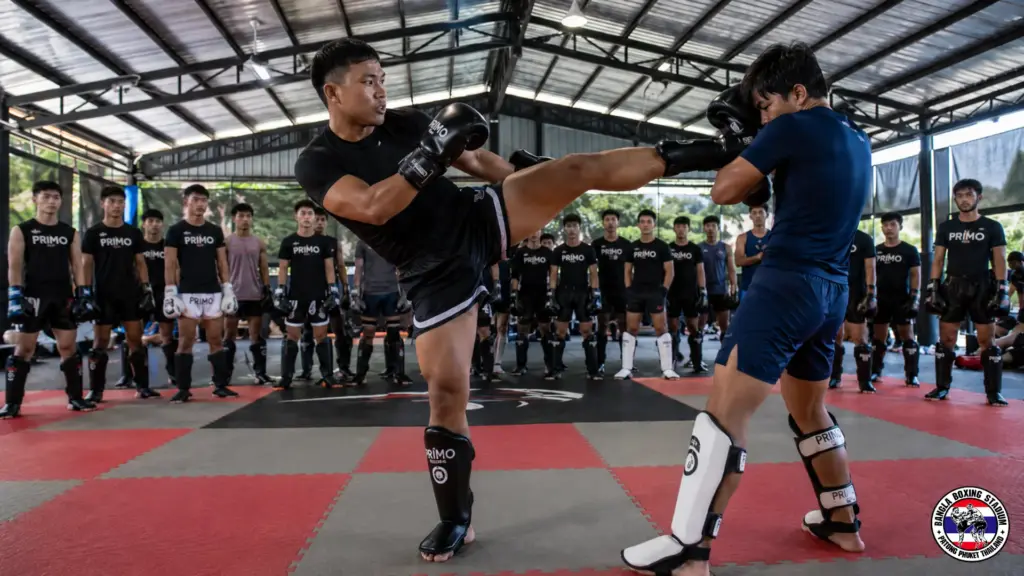
The best destinations for Thailand training holidays are Phuket, Chiang Mai, and Koh Samui, each offering specialized environments ranging from beachfront Muay Thai camps to high-altitude trails. Phuket’s Soi Ta-Iad is the global hub for mixed martial arts, packing over a dozen world-class gyms into a single 1.5-kilometer street. This density lets you easily walk between Muay Thai sessions at Tiger Muay Thai and strength conditioning classes at Unit 27.
If you prefer endurance training, Chiang Mai provides steep mountain terrain like Doi Suthep for cycling and trail running. This northern region attracts professional athletes who want high-altitude training at 1,000 meters above sea level. Many runners base themselves near the Huay Tung Tao Reservoir to access flat loop tracks and vertical mountain climbs.
For wellness and intense conditioning, Koh Samui offers beachfront fitness retreats that combine hot yoga with outdoor bootcamps. The island focuses on recovery, pairing soft-sand beach sprints with targeted sports massages. You can train directly on Lamai Beach at camps offering personalized Olympic lifting and mobility coaching.
Phuket as the ultimate fitness and MMA hub
Phuket is the undisputed global epicenter for combat sports, making it the premier destination for thailand training holidays. The island concentrates world-class facilities, elite coaches, and tropical recovery options into a single accessible location. Much of this activity sits along Soi Ta-Iad, a famous 1.5-kilometer strip packed with camps like Tiger Muay Thai.
You can transition from morning beach runs to midday Jiu-Jitsu and evening strength sessions within the same neighborhood. This density of talent attracts everyone from professional fighters to everyday fitness enthusiasts looking to reboot their health. You will train directly alongside active stadium champions and UFC-level coaches daily. Traveler accounts in our Muay Thai Phuket review compare how each camp handles beginners and drop-in students.
The local infrastructure is built specifically to support intense athletic recovery. Healthy cafes, ice baths, and sports massage clinics line the streets to optimize your body’s healing. This ecosystem helps you sustain two-a-day workouts in the tropical climate. Our guide to Muay Thai in Phuket maps the main camps on and around this strip.
Bangkok for traditional gym experiences
Bangkok is the premier destination for traditional strength and bodybuilding workouts during Thailand training holidays, offering a high concentration of world-class “spit-and-sawdust” gyms. You can easily bypass restrictive hotel fitness centers for massive, warehouse-style facilities packed with specialized plate-loaded machines. For example, Muscle Factory in Phra Khanong offers a massive warehouse-style space loaded with specialized strength equipment.
These venues cater to serious lifters by offering affordable, commitment-free access with day passes averaging 300 to 400 Thai Baht. You will train alongside competitive athletes and powerlifters in high-energy, industrial environments designed to maximize performance. Most locations also feature on-site shake bars serving targeted post-workout nutrition, such as the customized macro-friendly protein meals at Iron Hive Gym. For fight camps rather than weight rooms, see our regional roundup of the best Muay Thai in Thailand.
Chiang Mai and Koh Samui for scenic workouts and relaxed vibes
You should choose Chiang Mai for mountain-based endurance training and Koh Samui for beachfront Muay Thai if you want scenic workouts paired with a relaxed pace on your thailand training holidays. In northern Chiang Mai, you can run the steep trails of Doi Suthep or cycle the challenging mountainous loops that professional triathletes use for altitude preparation. The cooler mountain air and abundant vegan cafes in the Nimman district make it easy to refuel and recover after a four-hour trail run.
For a coastal alternative, Koh Samui shifts the focus to beachside yoga pavilions and open-air gyms right on the sand. Training camps here, like those along Lamai Beach, allow you to walk directly from a grueling pad-work session into the ocean for natural cold-water therapy. This island destination is ideal if you want to pair high-intensity conditioning with paddleboarding or active recovery sessions under the palms.
What to Expect During a Typical Training Day?
A typical day on Thailand training holidays balances two high-intensity workout sessions with structured recovery, local nutrition, and deep sleep. Your morning starts at 7:30 AM with a mobility warm-up, followed by a two-hour Muay Thai or functional fitness session before the midday heat peaks. After training, you will refuel with a high-protein dish like chicken Pad Kra Prow at an on-site camp café.
The afternoon is reserved for downtime, pool recovery, or a sports massage to prepare your muscles for the second session. At 4:00 PM, you return to the gym for a strength-conditioning circuit or technical sparring drill under the guidance of champion coaches. The day wraps up with a group dinner by 7:30 PM, ensuring you get the essential eight hours of sleep required to back up your performance the next day.
| Time | Activity | Focus Area |
|---|---|---|
| 06:30 AM | Morning Run & Shadowboxing | Cardiovascular Base |
| 07:30 AM | Muay Thai / Pad Work | Striking & Technique |
| 12:00 PM | High-Protein Lunch & Rest | Nutrition |
| 02:00 PM | Strength & MMA Drills | Explosive Power |
| 05:00 PM | Yin Yoga & Ice Bath | Active Recovery |
Morning Muay Thai and conditioning sessions
Morning Muay Thai and conditioning sessions start at 6:30 AM to beat the intense midday heat and focus heavily on building your cardiovascular base. You will typically begin with a 4-kilometer run or skipping rope, followed immediately by shadowboxing and technical pad work with experienced trainers. This structure is the backbone of traditional Thailand training holidays, ensuring you burn up to 800 calories before breakfast.
The conditioning segment targets your core strength and explosive power through bodyweight exercises like plyometric push-ups, Thai sit-ups, and heavy bag drills. Trainers adjust the intensity based on your current fitness level, making it accessible whether you are a beginner or preparing for an active bout. For example, camps in Phuket often finish the morning block with 100 continuous knees on the shield to test your mental endurance.
Afternoon strength, MMA, and fitness classes
Afternoon sessions on Thailand training holidays focus on building explosive power, mastering technical grappling, and conditioning your body for peak athletic performance. Camps schedule these high-intensity classes in the late afternoon to avoid the midday tropical heat while maximizing your metabolic burn. You will transition from strength endurance circuits directly into tactical MMA drills under the guidance of champion coaches.
These sessions target functional power through Olympic lifting, kettlebell complexes, and plyometrics. For combat sports enthusiasts, many camps offer structured cage work and situational sparring to sharpen your takedown defense. Every class concludes with a 15-minute mobility routine designed to flush lactic acid and prepare your muscles for the next day’s training.
Yoga and recovery sessions to heal the body
Active recovery sessions like yin yoga and ice baths are critical to prevent overtraining injuries during high-intensity Thailand training holidays. Camps integrate these restorative practices to flush lactic acid, restore joint mobility, and repair micro-tears in your muscle fibers. For example, a 90-minute restorative yin yoga session targets the deep connective tissues stressed during Muay Thai or strength conditioning.
Combining static stretching with cold plunge therapy noticeably accelerates your muscle recovery. This dual-therapy approach reduces systemic inflammation and resets your nervous system after daily multi-hour workouts. You can experience this physiological reset at partner facilities in Phuket, which feature dedicated ice baths alongside daily sunset yoga classes.
How to Plan a Budget for Thailand Training Holidays
Planning a budget for thailand training holidays requires categorizing your expenses into fixed camp fees, accommodation, and daily recovery costs. A realistic mid-range budget is $500 to $800 per week, which covers unlimited training classes, a private AC room, and healthy local meals. Training in fitness hubs like Phuket’s Soi Ta-Iad allows you to buy multi-class passes that cost less than standard drop-in rates.
| Tier | Weekly Cost (USD) | What is Included |
|---|---|---|
| Budget | $300 – $450 | Shared dorm, 2 daily group sessions, street food |
| Mid-Range | $500 – $800 | Private room, unlimited gym access, 2 meals daily |
| Premium | $1,200+ | Luxury resort, private coaching, custom meal plans |
Allocate at least $100 weekly for incidentals like scooter rentals, accident insurance, and recovery. For example, a quality 60-minute Thai massage near Tiger Muay Thai costs 300 to 400 Baht ($9 to $12), which is crucial for muscle recovery. Keeping a cash buffer of $200 ensures you can easily pay for motorbike fuel or electrolyte drinks at local convenience stores.
Cost of all inclusive training packages and accommodation
All-inclusive Thailand training holidays generally cost between $800 and $2,500 per month depending on the level of luxury and training frequency you choose. Budget packages typically bundle shared fan-cooled rooms with twice-daily Muay Thai or fitness sessions. Most camps in Phuket or Chiang Mai also offer optional meal plans to keep your daily food expenses predictable. Our Phuket Muay Thai training guide breaks down monthly gym fees and the DTV route for longer stays.
| Package Tier | Accommodation & Training Included | Average Monthly Cost |
|---|---|---|
| Budget | Shared room (fan), 2 group sessions daily | $800 – $1,100 |
| Mid-Range | Private room (A/C), 2 group sessions daily, 1 meal daily | $1,200 – $1,700 |
| Premium | Private villa, unlimited training, 1-on-1 coaching, full board | $1,800 – $2,500+ |
Booking a mid-range package for $1,200 to $1,700 strikes the best balance for most travelers, offering air-conditioned privacy and structured group workouts. Keep in mind that location heavily impacts these rates; a camp in rural northern Thailand will cost significantly less than a beachfront resort in Koh Samui. For example, a premium package at a top-tier Phuket camp often reaches $2,500 but includes daily private coaching, personalized meal prep, and unlimited ice bath recovery sessions.
Food, nutrition, and extra expenses during the stay
Budgeting $15 to $25 daily covers your basic meals and hydration needs during Thailand training holidays. Most fitness camps offer on-site nutritional meal plans tailored for muscle recovery, typically costing around $120 per week for two high-protein meals a day. If you choose to eat outside the camp, local Thai dishes like Pad Kra Prow (basil chicken) with rice cost as little as $2 to $3 at street markets.
Beyond food, you should account for extra expenses like motorbike rentals, sports massages, and laundry services. A deep-tissue sports massage near the training camps costs roughly $10 to $15 per hour, which is vital for recovery after intense Muay Thai or fitness sessions. Scooter rentals average $5 to $8 per day, but you must factor in petrol costs and valid international driving permits to avoid local police fines.
Watching Real Stadium Fights to Complete Your Trip
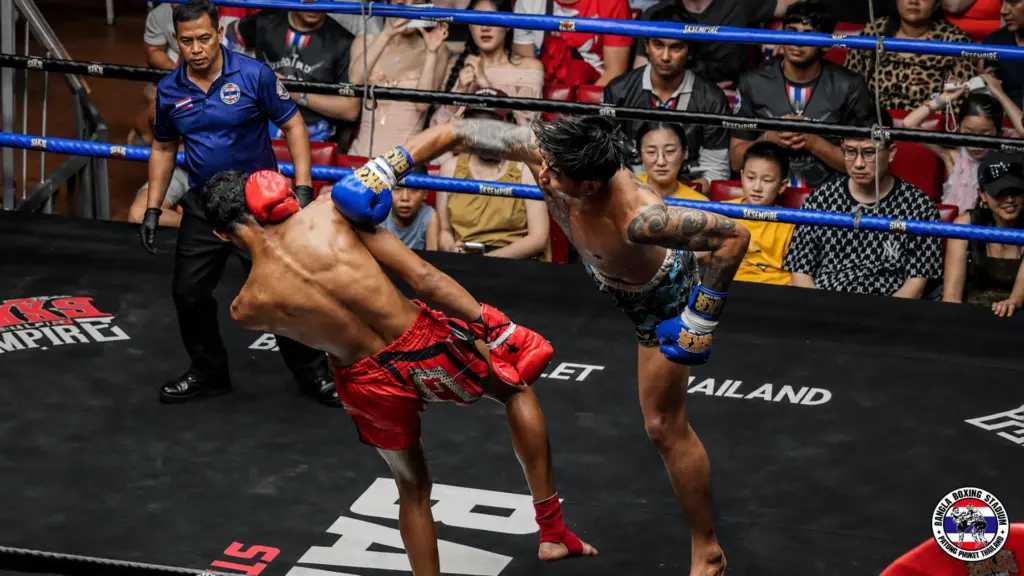
Watching a live, high-stakes fight at an elite stadium is the essential final piece of your Thailand training holidays, showing you how the techniques you practice in the gym are executed at the highest level. Seeing the devastating power of a real leg kick or the clinching strategy of a champion in person provides a masterclass that no video can replicate. If you train in Phuket, the easiest option is a ringside ticket at Bangla Boxing Stadium, where fights run every night of the week. Our guide to Phuket Muay Thai fights covers what a full card looks like from first bell to main event.
To get the most authentic experience, skip the tourist-centric exhibition shows and head to historic venues where local Thais actively bet on the outcomes. In Bangkok, historic venues like Rajadamnern Stadium host top-tier stadium champions. Check each venue’s official schedule, since fight cards vary by night. First-time spectators can read our guide on where to watch Muay Thai in Phuket for seating and arrival tips.
Experiencing authentic fights at Bangla Boxing Stadium
Watching live Muay Thai fights at Bangla Stadium in Patong provides the essential link between gym practice and real-world ring combat during thailand training holidays. You will see stadium champions and international fighters execute the exact techniques you learn in daily training, from sweeping low kicks to defensive clinches. Fights take place every night of the week, with doors at 8:00 PM and the first bout at 9:00 PM.
We recommend booking ringside seats to hear the impact of the strikes and observe the fighters’ breathing patterns up close. Tickets cost 1,500 THB for Stadium and 1,900 THB for Ringside when booked online (1,600 and 2,000 at the gate), with eight bouts, sometimes nine, on the card. Observing these matches teaches you about real ring pacing, scoring, and the traditional Wai Kru pre-fight ritual.
How to book ringside tickets for fight night in Patong
You can book Muay Thai tickets for Patong fight nights directly through the official Bangla Boxing Stadium website or at the stadium box office. Booking online in advance during thailand training holidays costs less than the walk-in price, 1,900 THB versus 2,000 THB for Ringside, and your seats are confirmed before you arrive.
- Check the schedule: Bangla Boxing Stadium runs fights every night of the week, so you can pick any evening that fits your training plan.
- Book ahead online: Reserve your seats on the official website to lock in the lower online rate.
- Arrive by 8:00 PM: Doors open at 8:00 PM, giving you time to collect your free stadium t-shirt and settle in before the first bout.
How to Prepare for Your Tropical Fitness Holiday
Preparing for your Thailand training holidays requires physical conditioning and heat acclimatisation at least four weeks before departure. You must prepare your cardiovascular system for intense workouts in humidity that often exceeds 85 percent. Start by performing steady-state cardio in a warm environment or using a sauna three times a week to trigger plasma volume expansion.
Hydration and electrolyte management are equally critical to prevent heat illness during high-intensity sessions under the tropical sun. We recommend consuming 500ml of electrolyte-rich water before every morning session to maintain sodium levels. Pack three pairs of breathable, moisture-wicking training kits to handle the daily laundry cycles typical of active camps in Phuket or Chiang Mai.
Essential gear to pack for your training camp
You must pack lightweight, moisture-wicking athletic wear, specialized training shoes, and climate-specific recovery gear to handle the intense tropical heat of Thailand training holidays. The extreme humidity in regions like Phuket means your standard cotton apparel will not dry overnight, so bring at least four fast-drying polyester sets.
We also recommend bringing your own broken-in gloves or lifting straps, as local pro-shops often run out of common sizes during the November-to-February peak season. Ensure you include these three absolute essentials in your gear bag:
| Essential Item | Why You Need It |
|---|---|
| Moisture-wicking sets (x4) | Standard cotton will not dry overnight in tropical humidity. |
| Electrolyte tablets | Prevents heat illness and replenishes sodium lost through sweat. |
| Two pairs of shoes | Allows rotation so you avoid training in damp footwear. |
| Anti-chafing cream | Protects skin during long outdoor runs and high-friction workouts. |
Travel insurance and medical preparation
To safely undertake Thailand training holidays, you must secure specialized travel insurance that explicitly covers high-risk sports like Muay Thai or scuba diving, and complete your medical preparations at least four weeks before departure. Standard travel policies usually exclude contact sports or training injuries, leaving you liable for expensive hospital bills. For example, a sports-injury evacuation from Phuket to a Bangkok hospital can easily exceed $20,000 USD.
Ensure your health is fully protected by checking off these essential preparations before you fly:
- Confirm your insurance policy includes a specific extreme sports or contact training rider.
- Get booster shots for Tetanus, Typhoid, and Hepatitis A at least one month before traveling.
- Pack a personal medical kit with antiseptic cream, blister pads, and oral rehydration salts to treat minor skin infections immediately.
Conclusion
Choosing Thailand training holidays is the most efficient way to break through a fitness plateau while experiencing a vibrant cultural shift. You get world-class coaching in Muay Thai or functional fitness at a fraction of Western gym costs. For example, a typical camp in Phuket like Tiger Muay Thai offers bundled training-and-accommodation packages by the week.
To maximize your results, we recommend booking a minimum of 14 days to allow your body to acclimate to the tropical humidity. This timeframe ensures you balance intensive daily sessions with vital recovery time on beaches like Nai Harn. You will return home with measurable strength gains and a sustainable workout routine.
Recommended reading: Muay Thai Patong guide to gyms and fight nights